The average business energy bill in 2026, by usage not size
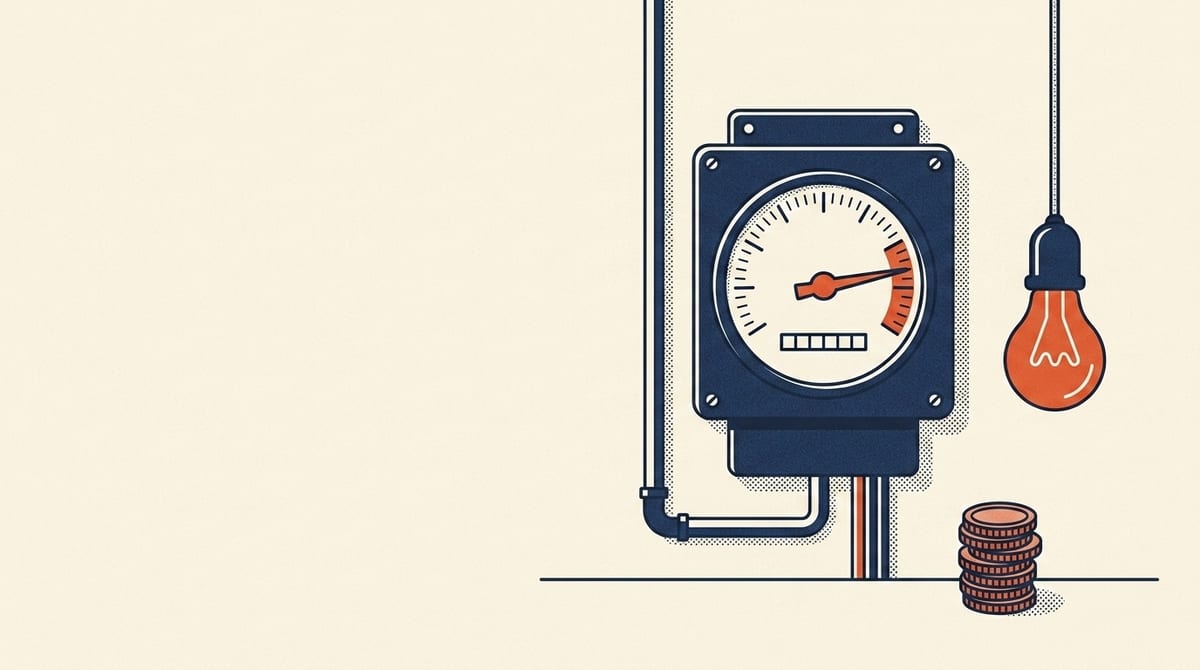
There is no single average business energy bill, and no price cap for firms. What UK SMEs pay in 2026 by usage, from about £4,300 for a micro business.
There is no single average business energy bill, and no price cap for firms. What UK SMEs pay in 2026 by usage, from about £4,300 for a micro business.
One email a week: the data, the tools, and one thing worth doing. Free, unsubscribe anytime.
Thanks! Please check your inbox to confirm your subscription.
Test the numbers before you commit. Ten free calculators, including:
UK law permits some disclosed review incentives; Google bans them. Check the £300,000 penalty ceiling, prize-draw nuance and a review request you can use.
Chair rent counts towards your £90,000 VAT threshold. See how three £400-a-month chairs push £78,000 of salon sales into registration, and what happens to the rent.
Your confirmation statement can make ID verification due before November 2026. Check both director and PSC roles, the filing date and the separate 14-day window.
Choose the right holiday-pay category, calculate 12.07% accrual and compare two payslips. Fixed part-time hours and sickness need different checks.
A £12.71 wage becomes £14.24 to £16.27 per worked hour in our examples, before overheads. See how hours, pensions and Employment Allowance change your quote.
UK business electricity bills could fall up to 20% under a CBI and Energy UK plan to move renewable costs and the Climate Change Levy off them. What it means for SMEs, and why it is only a proposal.
Rachel Reeves is expanding the Growth Guarantee Scheme: loan terms up to 10 years, the turnover cap rising from £45m to £54m, and £6.5bn more lending expected. What changes and how to apply.
VAT and Corporation Tax dates are predictable, but the lump-sum hit still catches growing firms. What lateness costs in 2026, when Time to Pay fits, and when short-term finance is the better route.
How much does office cleaning cost in 2026? £15 to £30 an hour, and a table turning any visit length and frequency into a monthly figure, so you can price your own office.
Every accredited Growth Guarantee Scheme lender at a glance, including HSBC, Barclays, NatWest, Lloyds and Santander: who lends what, typical terms, and how to choose. Checked 3 July 2026.
Most UK businesses must hold employers' liability from the day they hire, or risk up to £2,500 a day. Who triggers it, who is exempt and what it costs.
The Growth Guarantee Scheme backs facilities of up to £2 million with a 70% government guarantee to the lender. What it really costs, who qualifies, which banks offer it and how to apply.
How much more does an employee cost than their salary? In 2026/27, 2.3% to 15% more. A £28,000 first hire really costs £28,650 with the Employment Allowance, or £32,100 without it.
Primary category, a complete profile and recent reviews you reply to: the three Google Business Profile changes with a documented mechanism behind them.
A £2,400 invoice paid 60 days late earns you £116.20: statutory interest at 11.75% plus a fixed £70, no contract or court needed. Rate holds until 1 July.
Location pages can be a strong local-SEO asset or a thin mess. When a UK SME should build them, what a useful page needs, and how to avoid doorway pages.
MTD for Income Tax is live: sole traders with over £50,000 of self-employment and property turnover, not profit, are in. £30,000 and £20,000 waves follow.
Building materials rose 3.2% in the year to April 2026. An undated quote hands you that risk. Set a validity window, add a materials clause and re-quote.
Before paying for SEO, run this 90-minute audit: search like a customer, fix titles and service pages, sort your Google Business Profile, measure enquiries.
Cross £90,000 rolling turnover and a consumer-facing firm faces a 20% price rise or a VAT bill near 12.5% of sales, plus the schemes that soften the blow.
Day rates cap what you earn and hide if a job pays. Build a price from materials, the hours you can really bill, overhead and a margin that survives tax.
Sole traders, set aside about 20% of profit for tax in 2026/27, rising to 25% above £50,000, and brace for the first 31 January bill that lands at 150%.
Our monthly read on where UK small-business service demand is heading, drawn from live enquiry data across drainage, waste, cleaning and trades.
Fast, clear quotes win more work than cheap ones. A practical look at what actually moves quote-to-job conversion for UK service firms.
A no-nonsense checklist for getting found in local search - the handful of things that actually move the needle for small UK businesses.